And they said, Go to, let us build us a city and a tower, whose top may reach unto heaven; and let us make us a name, lest we be scattered abroad upon the face of the whole earth. (Gen 11:4)
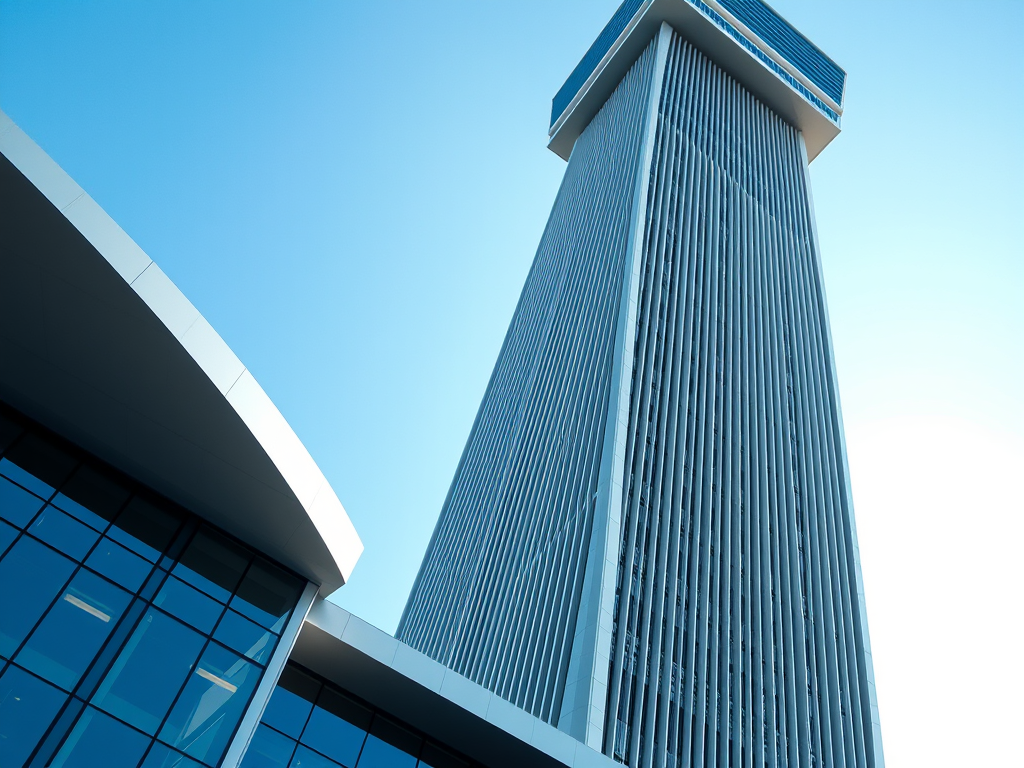
About twenty years ago, I visited my cousin Johnny in Toronto, Canada, and it was a memorable experience. As we traveled through downtown Toronto, one structure immediately captured my attention—the CN Tower. Standing 553.3 meters (1,815 feet) tall, the CN Tower was completed in 1976 and once held the title of the world’s tallest freestanding structure. Today, it remains one of Canada’s most iconic landmarks, known for its panoramic observation decks, glass floor, revolving 360 Restaurant, and the thrilling EdgeWalk experience. Beyond tourism, it continues to function as a major telecommunications hub and a defining symbol of Toronto’s skyline.
Scripture also tells us about another famous tower. In Genesis 11:1–4, we read of a tower built during a time when humanity spoke one language and shared one purpose. Many theologians believe this project was led by Nimrod, described in Genesis 10:9 as a powerful ruler and the first world leader. Nimrod opposed God’s authority and resisted the command God had given to Noah—to be fruitful, multiply, and fill the earth. Instead of obeying, he influenced the people to remain united in one place, directly defying God’s instructions.
Nimrod sought control and power by centralizing the population. Historically, the tower was believed to be called Bab-ili in the Akkadian language, meaning “Gate of God.” However, Scripture refers to it as Babel, which in Hebrew means “confusion.” The people intended to build a tower tall enough to protect themselves from another flood, symbolizing their distrust of God and their desire to become self-sufficient. In essence, they were challenging the Lord and attempting to elevate themselves as their own gods.
What is striking is how advanced they were. God Himself acknowledged their capability, saying that nothing they imagined would be impossible for them to accomplish (Genesis 11:6). Because they spoke one language and were united in rebellion, God intervened by confusing their speech and scattering them across the earth.
As we reflect on this account, it invites a personal question: Are we living in confusion today? Are we building our own towers of pride, independence, or disobedience? Perhaps it is time to reconsider what we are building—and choose a different tower altogether.
A Strong Tower.
The name of the Lord is a strong tower: the righteous runneth into it, and is safe. ( Prov 18:10)
When you need direction in life, run to the Lord. He is a strong tower, steady and unshakable. The name of the Lord alone brings guidance, protection, and deliverance. Turn away from confusion and seek the mind of Christ, for He leads with truth and wisdom and will never lead you astray.
There is also a powerful note of hope found in Acts 2. During the season of Pentecost, God restored His people by uniting them once again. Through the Holy Spirit, many languages were spoken, demonstrating God’s grace and mercy to all nations. What was once divided was brought together, and God formed His people into one body—the Body of Christ.
Today, this message is more relevant than ever. As the world grows increasingly confused and pursues its own path, the Church is called to pray for unity in this critical hour. Let us point others to the true and eternal tower—not one built by human hands, but the name of the Lord Jesus Christ. Enclosed is a link to a video on the CN Tower, which I hope you will enjoy. God bless.
 The Christian Corner Ministries